Boosting Creativity and Reducing Mental Clutter: A Guide for Creatives
Creative professionals thrive on fresh ideas and clear focus. Yet in our hyper-connected world, it is easy to feel mentally cluttered, distracted, or stuck in a rut.
This guide presents five practical, research-backed strategies to boost creativity and reduce mental clutter: mind mapping, journaling, mindfulness, managing digital distractions, and seeking diverse inspiration.
For each, we will explore why it works, expert insights, and how to put it into practice. Short takeaways and visual aids will help you integrate these techniques into everyday life.
Table of Contents
Mind Mapping: Visual Ideation to Spark Creativity
What It Is
Mind mapping is a visual brainstorming technique where you diagram ideas branching from a central concept. Instead of writing lists or linear notes, you start with a core idea in the center of a page and draw branches outward for related ideas, sub-topics, and associations. Each branch can further split into twigs with more details. The result is a map of interconnected thoughts. This non-linear format mirrors how our brains actually work, jumping between ideas, and helps capture ideas that might be missed in a list format. If you’re wondering how to create a mind map, this section gives you everything you need to get started.
This non-linear format mirrors how our brains actually work, jumping between ideas, and helps capture ideas that might be missed in a list format. If you’re wondering how to create a mind map, this section gives you everything you need to get started with just a piece of paper.
Why It Works
By engaging spatial and visual thinking, mind maps offload some of the mental load onto paper and reveal connections between ideas. Research suggests that mind mapping taps into divergent thinking, the free-flowing, outside the box thinking crucial for creativity. Unlike linear notes, a mind map encourages you to connect concepts in novel ways, which can lead to creative insights. Studies have found tangible benefits. One experiment showed that students who used mind maps remembered information better, with 10 to 15 percent higher recall after a week, than those using their usual study methods. A study with young children found that practicing mind mapping had a positive impact on their creativity, enhancing their ability to generate and combine ideas. By freeing the mind to hop around and make associations, mind maps leverage the brain’s natural radiant thinking and can engage the diffuse mode of thinking, a relaxed state where the mind wanders and incubates ideas in the background.
How to Use It
All you need is a blank page, or whiteboard, and a pen. Write your central challenge or theme in the middle and draw a circle around it. Then brainstorm outward. Draw lines, branches, radiating from the center for each sub-topic or angle you think of. Use single keywords or short phrases on each branch, this keeps ideas flexible and easy to connect. From those branches, keep fanning out with thinner lines for supporting ideas, examples, solutions, or related concepts. For example, if the central concept is a product you need to write copy for, first level branches might be target audience, features, benefits, story angles. Second level branches under features could list each key feature, which can further branch into vivid details or metaphors. Visual elements like colors or doodles can be added to differentiate sections or mark especially creative ideas. Using color and imagery can stimulate the brain and memory. The goal in this exploratory phase is to let thoughts flow without judgment or strict order. Mind mapping shines for early idea generation. You can always switch to a more linear outline later to refine and organize, but the mind map helps you expand your thinking first.
Expert Tip
Tony Buzan, who popularized mind maps, advised using curved lines, one keyword per branch, and connecting branches radially. While some enthusiasts add plenty of icons or images to each branch, do not worry, simple text-only maps work well too as long as they make sense to you. The key is that your map should evolve freely. If you reach a creative block, try drawing an empty branch and notice how your mind dislikes the gap. It will often spur you to fill it with a new idea.
Actionable Takeaways, Mind Mapping
- Brainstorm in branches. Jot your main idea at center and branch out sub-ideas. Allow odd or surprising associations, they might spark fresh concepts.
- Keep it short and visual. Use single words or short phrases on each branch. Add colors, sketches, or symbols to make the map lively and memorable.
- No censoring. Do not evaluate ideas during mapping. Embrace a free flow of thoughts. Even seemingly random words can lead to useful analogies or slogans later.
- Review and connect. Step back and look at the completed map. Circle or highlight promising combinations. These connections often lead to original angles in your copy or design.
- Use it for planning too. Beyond idea generation, try mind maps for structuring content, for example mapping sections of an article or webpage, or complex tasks. It can turn a daunting project into a visual outline that is easier to manage.
Journaling: Clearing Your Mind and Capturing Insights
In the whirlwind of deadlines and creative briefs, journaling offers a private space to unclutter your mind, reflect, and spark new ideas. Daily Journaling can take many forms, from morning free writing to structured reflection at day’s end, and it is surprisingly potent for both mental health and creative output.
At its core, the practice involves writing down your thoughts, feelings, or ideas regularly, often daily. This simple habit serves as a brain dump, getting swirling thoughts out of your head and onto paper, where they stop looping in circles and instead become workable material. Psychologists have long found that expressive writing, writing about your experiences and feelings, can reduce stress and improve mental clarity.
For creatives, this clarity can translate into more headspace for imagination once the mental chatter is cleared. It also helps develop long-term habits that strengthen the creative process.
 Why It Works
Writing in a journal externalizes your internal monologue. By articulating worries, ideas, or to-dos on paper, you free up mental bandwidth. There is research to back this. Studies have shown that journaling can free up working memory and mental capacity by off loading persistent thoughts. In one study, participants who wrote about stressful or important experiences had improved working memory and focus, presumably because their brains were not as occupied by those unresolved thoughts. For copywriters and designers, that means more cognitive resources available for creative thinking. Journaling also helps break the cycle of rumination, repetitively dwelling on problems, which is a known creativity killer. Research by James Pennebaker and others found that writing about feelings lowers the frequency of intrusive, ruminating thoughts. By confronting ideas or anxieties on the page, you prevent them from endlessly recycling in your mind.
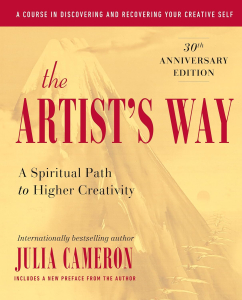
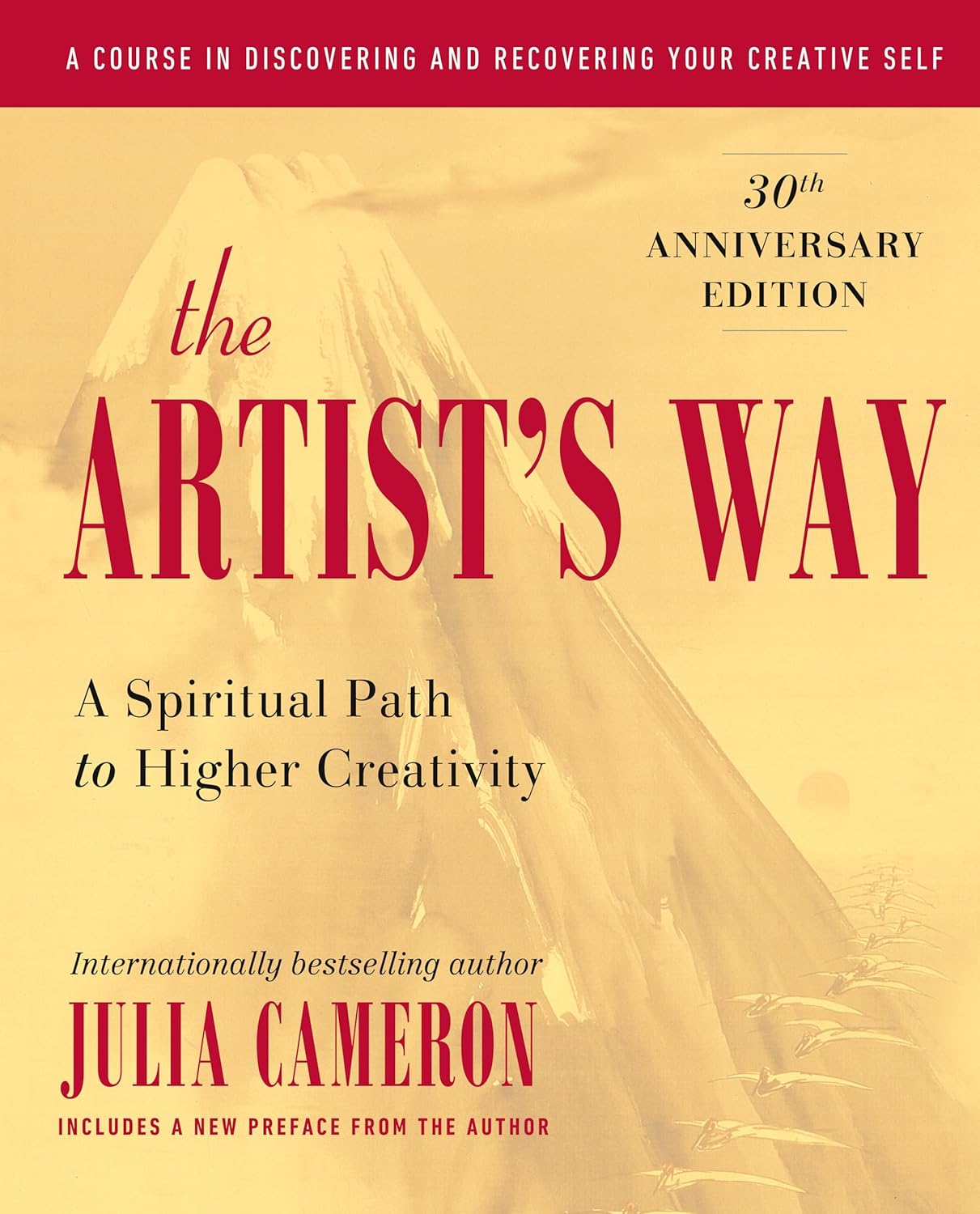
Furthermore, journaling can stimulate creativity directly. The act of free writing, just writing whatever comes to mind without filtering, can lead to unexpected associations and ideas. Julia Cameron, author of The Artist’s Way, advocates writing Morning Pages, three pages of longhand, stream of consciousness writing each morning, as a way to clear the cobwebs and unlock creativity. She describes this daily ritual as a cleaning process, a tiny whisk broom into all the corners of your consciousness, sweeping out mental dust and revealing clarity and new ideas. Many writers find that after writing freely about random thoughts, anxieties, or observations, they stumble upon snippets of inspiration, a phrase here, a concept there, that can be applied to their projects. Journaling unblocks creative flow by first purging the mental clutter, so you start with a blank slate each day, and by welcoming any thought, so latent ideas can surface without judgment. Journaling by hand is often more cathartic than typing, but digital works too if it keeps you consistent.
How to Do It
The best approach is the one you will stick with consistently. Options include:
- Free writing, stream of consciousness. Write whatever is on your mind without editing for a set time, five to fifteen minutes, or length, one to three pages. Morning is ideal to dump residual thoughts from sleep and start the day fresh.
- Prompted or structured journaling. Use prompts or templates. For example, list three things I am grateful for today, one idea I had today, and one thing worrying me. Bullet journaling that blends to-dos with short reflections also works.
- Visual journals or sketchbooks. Add doodles, thumbnails, or mini mind maps when that is how ideas come.
- By hand if possible. Many find pen and paper more cathartic and less distracting than typing. Use digital if it keeps you consistent.
Actionable Takeaways, Journaling
- Commit to a routine. Even five to ten minutes daily can clear mental clutter.
- Write without judgment. Your journal is private. Candor reduces stress and rumination.
- Dump then ideate. Off load worries first, then capture a few new ideas while the mind is clear.
- Use prompts when stuck. For example, if I had no limits, I would create, or what is a metaphor for today’s challenge.
- Review for gems. Highlight ideas weekly or monthly so journal notes feed your projects.
Mindfulness: Cultivating Focus and Creative Flow
Modern creatives juggle multiple projects amidst constant pings and notifications. Mindfulness, the practice of training attention to stay in the present moment, is a powerful antidote to fractured focus. At its core mindfulness is attention management, which is crucial for creativity. When you are mindful, you can enter flow more easily, sustain concentration, and reduce the stress that stifles creative thought. Techniques like meditation, mindful breathing, or mindful walking help quiet mental noise and sharpen focus, while also reducing mental fatigue that drains creative energy. Over time, mindfulness supports your mental health while strengthening your creative process and helping you reach higher levels of creativity.
Why It Works
Research shows that mindfulness improves skills that underlie creative thinking. Short daily meditation can improve working memory and attention and reduce distracting thoughts during cognitive tasks. In creative terms, that means more ability to stay with a challenging problem or draft without drifting. Mindfulness also lowers stress and anxiety, which frees cognitive resources for insight. Certain forms of mindfulness meditation appear to boost divergent thinking and insight problem solving. One explanation is that mindfulness teaches you to observe thoughts without judgment. This non-judgmental stance is exactly what is needed in brainstorming, you allow unusual ideas to arise without immediately shooting them down. Another factor is quieting the mind. Mindfulness practices help quiet mental chatter, creating space for original thoughts to emerge. There is evidence from neuroscience as well, with experienced meditators showing brain activation patterns associated with improved creativity.
How to Practice It
- Focused attention meditation. Sit comfortably, close your eyes, and place attention on the breath. When the mind wanders, gently return. Even five minutes a day builds concentration.
- Open monitoring meditation. Sit quietly and notice whatever thoughts or sensations arise without clinging. Useful before ideation to widen possibilities.
- Mindful breathing breaks. Try the 4-7-8 pattern, inhale 4, hold 7, exhale 8, for a few cycles to reset.
- Mindfulness in daily activities. Walk without your phone and attend to sights and sounds. Savor your coffee without screens.
- Body scan or mindful stretching. Spend five to ten minutes scanning head to toe and releasing tension, or do gentle stretches with attention on breath.
Actionable Takeaways, Mindfulness
- Start small and regular. Five to ten minutes daily is enough to see benefits.
- Single task by design. When writing, just write for twenty minutes. When eating, just eat.
- Use mindfulness to manage stress. A minute of breathing or a short body scan lowers stress and frees resources for creativity.
- Leverage open awareness. Before brainstorming, sit and observe thoughts for two minutes to catch subtle ideas.
- Be patient. Benefits grow over weeks. Each return to the breath is a rep for your attention.
Managing Digital Distractions: Protecting Your Creative Focus
Nothing derails flow faster than the ping of an email or the pull of a feed. Digital distractions fragment attention and fill your head with extraneous information, crowding out the space needed for deep creative thinking. This section is about digital mindfulness. Take control of devices and habits so they serve your creativity rather than sabotage it. By managing notifications, limiting multitasking, and carving out tech free time, you can reduce mental clutter and reclaim focus. Protecting your focus helps maintain long-term creative productivity and improves your everyday life balance.
Why It Matters
Attention researchers like Dr. Gloria Mark find that people often switch tasks every few minutes. One recent finding shows people spend on average about 47 seconds on a screen before shifting attention. After an interruption, for example you stop writing to answer a text, it can take 20 minutes or more to regain deep focus. These micro checks add up to hours of lost time and a fragmented mind. Digital overload also floods your brain with unrelated information. Even the presence of a smartphone on your desk can impair performance, a phenomenon sometimes called brain drain.
From a creative happiness standpoint, constant distraction can sap the joy of creative work. As Brian Solis notes, digital distractions gobble your focus and attention, leading to decreased energy for creative activities and critical thinking. Over time this can dampen your creative spark and well-being. Creativity correlates with happiness, and digital distraction inhibits creative flow. Managing this effectively supports both your mental health and your creative process.
How to Manage Digital Distractions
- Do a distraction audit. Track for two days when and why you check phone or email. List the top culprits.
- Optimize notifications and environment. Turn off non-essential alerts. Use Do Not Disturb for focus blocks. Keep your phone out of reach during deep work. Close irrelevant tabs.
- Use productivity techniques. Try Pomodoro. Use site blockers during drafting. Schedule offline hours, for example 9 to 11 in the morning for writing.
- Batch communication. Check email and chat at set times, for example 11 a.m. and 4 p.m., and keep them closed otherwise. Use VIP filters for true emergencies.
- Embrace small boredom. Allow idle minutes without your phone. Boredom can nudge the brain to seek novelty and imagine new possibilities.
Seeking Diverse Inspiration: Broadening Your Creative Horizons
Creativity thrives on diverse inputs. Many creative thinkers note that new ideas are often combinations of existing ideas seen from a fresh angle. If you only consume the same type of content or stay inside your industry bubble, you feed your imagination a limited diet. Seeking inspiration from a wide range of sources, different mediums, fields, cultures, and experiences, gives you a richer pantry of ingredients for original work. For copywriters and designers, this might mean reading literature, history, or science for metaphors and stories, exploring music or visual arts for mood and style, or trying new activities to gain fresh perspectives. The goal is to venture beyond the familiar to cross pollinate your creativity. This practice supports long-term growth, fuels the creative process, and can help you reach higher levels of originality.
Why It Works
Diverse inspiration increases cognitive flexibility. Openness to experience is strongly linked with creative achievement. People who actively seek varied experiences tend to have more raw material and mental connections to draw upon. Steve Jobs put it plainly. Creativity is connecting things, and creative people can do that because they have had more experiences or have thought more about their experiences than others. He warned that limited experiences lead to linear solutions without a broad perspective.
There is evidence that multicultural experience boosts creativity. A study reported in American Psychologist found that individuals with extensive multicultural exposure scored higher on creative problem solving. Experiencing diverse cultures can enhance your ability to retrieve unconventional knowledge and think outside the box, because you can pull ideas from a larger pool of cultural references. Those who open themselves to foreign cultures and learn from them gain the most benefit. Even without travel, you can simulate this by exploring foreign films, international art, or talking with friends from different backgrounds.
How to Seek Diverse Inspiration
- Consume art outside your niche. Writers can read poetry, sci fi, screenplays, or classics. Designers can study nature photography or architecture. Content marketers can add psychology or philosophy podcasts. Keep a swipe file for quotes, visuals, facts, and textures.
- Engage with different cultures and environments. Travel if possible. Attend a cultural festival. Try a new cuisine. Learn a language at a basic level.
- Cross disciplinary collaboration. Talk to people in other fields. Borrow their problem solving habits. Join cross functional meetups.
- Keep learning new skills or hobbies. Gardening, woodworking, coding, cooking, dance. New activities force new neural connections that later show up in your work.
- Invite randomness and serendipity. Vary your routine. Pick a random magazine. Shuffle an unfamiliar playlist. Use random word prompts to generate ideas.
Conclusion: Integrating the Strategies
Boosting creativity and reducing mental clutter is not a one time task. It is an ongoing practice that blends mindset and habits. The strategies outlined, mind mapping, journaling, mindfulness, digital distraction management, and seeking diverse inspiration, work best in concert. They complement each other. Mindfulness builds focus to resist distractions. Fewer distractions give you uninterrupted time to journal or mind map. Journaling clears mental noise so creative ideas can emerge. Mind mapping develops those ideas. Diverse inspirations fuel the whole process with fresh inputs.
For a busy copywriter or designer, adopting even a couple of these techniques can have immediate benefits. You might start by keeping a nightly journal to declutter your mind and a weekly mind mapping session for content ideas. Add a five minute meditation to your morning to center yourself before diving into work. Turn off a few notifications and see how much deeper you can dive into a task. Give yourself permission to wander outside your usual creative boundaries. Read strange things, play with new ideas, and remember that creativity often blossoms in the unexpected.
By structuring your workflow and lifestyle with these practices, you create the conditions for creativity to thrive. You gain a clearer, calmer mind, a wealth of inspiration to draw from, and practical tools to generate and develop ideas. The modern world may be full of distractions and information overload, but with intentional strategies you can carve out a mental space that is both disciplined and free. Disciplined from clutter, and free for imagination. Armed with research backed techniques and a proactive approach, you can tap into deeper creativity and produce your best work while maintaining your mental health. Happy creating.
Sources and links mentioned above:
- Mind mapping primer, MeisterTask
- Julia Cameron, The Artist’s Way
- APA overview on journaling and cognition
- Mindfulness and creativity review, Baas et al.
- Brian Solis on distraction and creative flow
- Psychology Today on boredom and creativity
- Steve Jobs on creativity, Farnam Street
- Multicultural experience and creativity, PubMed
- Random words for ideation, ProBlogger

